General meaning
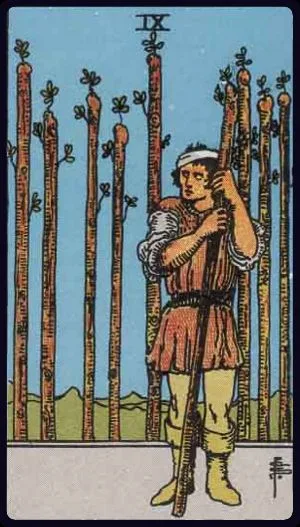
The Nine of Wands is the image of a person who has been through a lot and is still standing. They’re tired, there are wounds, and there’s experience that taught them to be careful. But the card says: you haven’t broken. Only a little remains before the end, so endurance matters now.
It comes after a long struggle: a hard project, a difficult relationship, a rough stretch at work. You’ve already come a long way, and an inner voice whispers “I don’t want any more,” but this is exactly when it matters most to gather what strength you have left. This is the card of the final stage.
The nuance is its double edge: caution helps, but it can grow into distrust of everyone. The card asks you to tell real threats from old fear. Not every new person or offer is a repeat of past pain.
What’s pictured on Nine of Wands
A man with a bandaged head leans on a wand and looks back over his shoulder. The bandage points to past blows, and the wary look to the worry that a blow might come again. He is dressed in yellow and green, his face is tired, but his eyes are clear.
Behind him, eight wands are planted in the ground, part fence and part battle line. These are all the past trials turned into defense: what was lived through now serves as a wall. The ninth wand he holds himself. The background is light, the sky even, the hills gentle: the danger is more in memory than in reality.
Nine of Wands in love and relationships
In love, the Nine speaks of a relationship that has survived hardship, and of a person who needs time to trust. You may have a difficult history behind you and now be careful. Hold on: if the relationship is worth it, you’re close to a steady phase.
For singles, the card advises not closing off completely. Caution is useful, but the wall shouldn’t be higher than it needs to be.
You or your partner are too guarded: distrust, suspicion, fear of a repeat of past pain. The relationship may suffer from “the wall” and from one partner being tired of fighting. Ask which part of the past is steering your reaction today.
What your partner feels
The person takes you seriously but is careful: they have experience and don’t want to make a mistake. They may test you with time and actions. The feeling is dependable, though it opens slowly.
Reversed, it’s guardedness, fatigue and fear of new pain. They find it hard to trust, and pressure here will only make things worse.
Career and money
A project on the home stretch: only the last stage is left to push through. It may be hard, but you already know how to get through difficulties. With money, it’s a period of thrift and caution; reserves matter more than risky moves. Your experience is a resource that people value.
Burnout, loss of faith in success, a wish to drop everything on the eve of the finish. Sometimes the card shows excessive suspicion of colleagues and partners. Set priorities, ask for help, and take a pause if you have no strength left.
Health and well-being
For well-being, the Nine points to accumulated fatigue and a need for recovery. You’ve held on for a long time, and now your body needs rest, not another heroic push. A steady routine, sleep and support from loved ones will help.
Reversed, the card points to burnout and chronic tension. This is reflection, not medical advice; don’t ignore the signals, and see a specialist if the state lasts a long time.
Tarot is a tool for reflection, not a diagnosis or medical, financial, or legal advice. If you have health concerns, please see a doctor.
Yes or no?
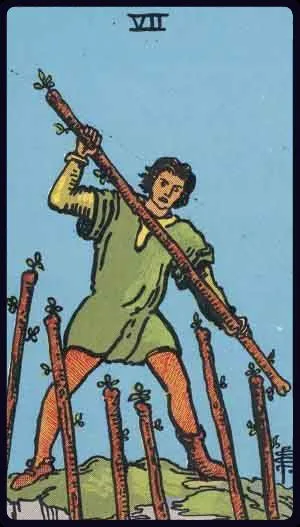
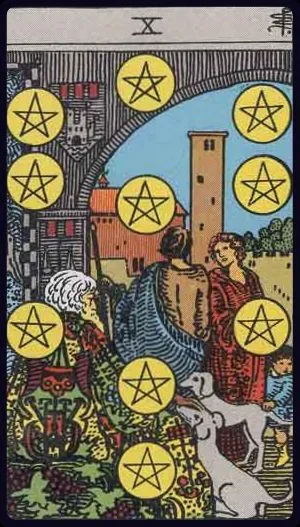
An example “Past · Present · Outcome” spread: the Seven of Wands shows a long defense, the Nine of Wands shows the fatigue before the finish, and the Ten of Pentacles shows a lasting result if you make it through. A reading in Oracul takes your question into account.
Nine of Wands as advice and card of the day
Estimate how much is left until the finish and break the road into short stretches: “today I’m closing this one thing.” That way the weariness stops feeling endless.
Give yourself permission to ask for help. Resilience doesn’t mean you have to haul everything alone. And don’t quit right now, when the result is near, but rest honestly, not on the run.
Nine of Wands as your card of the day
If the Nine of Wands is your card of the day, you may feel tired or extra wary. Save your strength, don’t take on extra, and leave time to recover. It’s a day for finishing things, not for new commitments.
Combinations with other cards
-
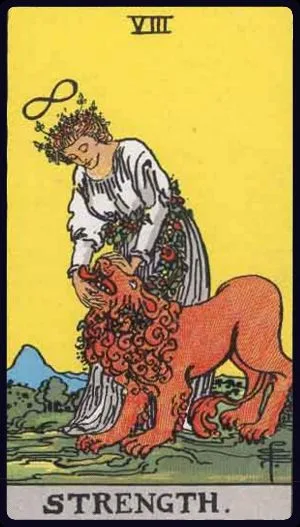 + StrengthInner resilience: you hold on gently but reliably.
 -
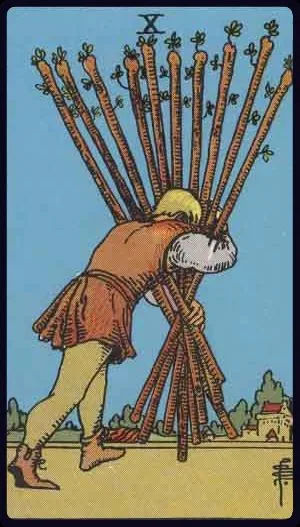 The weight of responsibility: almost no strength left, and the load still has to be carried.
 -
 + The StarHope arrives after a hard period: weariness gives way to recovery.
 -
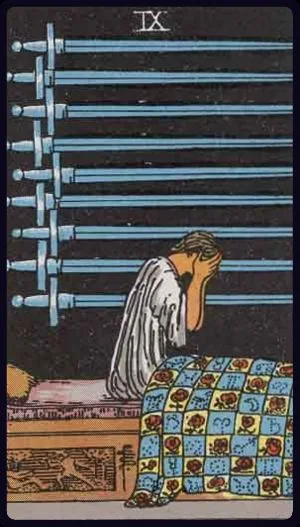 Anxiety and sleepless nights: you need to release the tension and ask for support.
 -
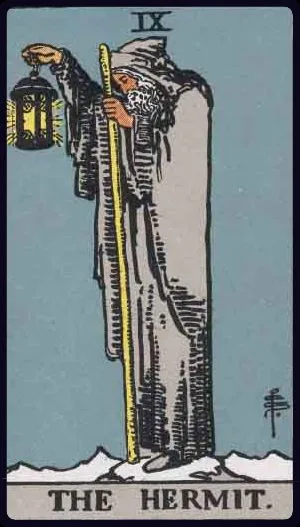 A pause to recover: time to withdraw into quiet and gather yourself.
 -
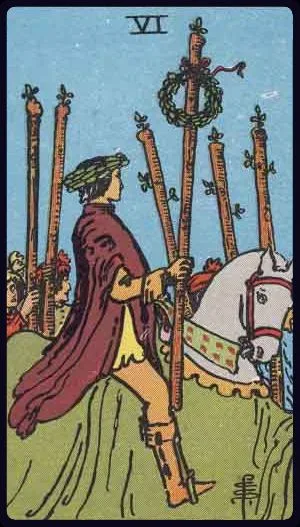 Victory behind you: you’re tired, but you’ve earned recognition.
Nine of Wands reversed
Reversed, weariness turns into exhaustion and caution into suspicion. The person gives up early or stubbornly fights off help. Sometimes the wall of wands is so high that neither enemies nor friends can get through.
The card hints at what to check: what am I defending, and from what? Perhaps it’s time to lower one wand, accept help and allow yourself to be vulnerable. Recovery is part of the path too.
Questions about this card
What does the Nine of Wands mean in love?
A relationship that has been through trials, or a person with a guarded heart. The card advises patience: trust returns gradually.
What does a man feel when the Nine of Wands appears?
He takes you seriously but is careful because of past experience. He needs time, and pressure won’t help.
Is the Nine of Wands a yes or a no?
Leaning yes, but you’ll need to gather your strength. Reversed, it says rest first, then decide.
What does the Nine of Wands mean for career and money?
The home stretch of a project and a need for endurance. Conserve resources and don’t take risks you don’t have to.
What does the Nine of Wands reversed mean?
Burnout, distrust and a stubborn refusal to accept help. Give yourself a rest and check what you’re defending against.