Tarot card meanings: all 78 cards, upright and reversed
The upright and reversed meaning of every Rider–Waite tarot card: what it says about love and a partner’s feelings, about career and money, how to read it in a yes-or-no spread, and which cards it pairs with.
How to use this guide
A tarot deck has 78 cards. The 22 Major Arcana are life’s big themes, from the start of the journey (The Fool) to a completed cycle (The World). The 56 Minor Arcana are four suits, each with its own area of life: Wands for action and goals, Cups for feelings and relationships, Swords for thoughts and decisions, and Pentacles for money, work, and the material world.
Every card page follows the same outline, so cards are easy to compare: general meaning, the symbolism of the classic image, love and a partner’s feelings, career and money, well-being, a yes-or-no answer, advice and card of the day, combinations, and the reversed position. All meanings are traditional, based on the 1909 Rider–Waite deck, and phrased with care: a card points to a tendency and suggests a question; it doesn’t hand down a verdict.
Would you rather see what comes up for you than read about a card? Ask a question and Oracul will draw the cards and explain the spread in plain language.
Major Arcana
22 cards about life’s big themes: choices, change, trials, and outcomes.
- 0 The Fool Beginnings · Trust · Risk · Freedom A new beginning, a light step into the unknown, and trust in life and your own curiosity.
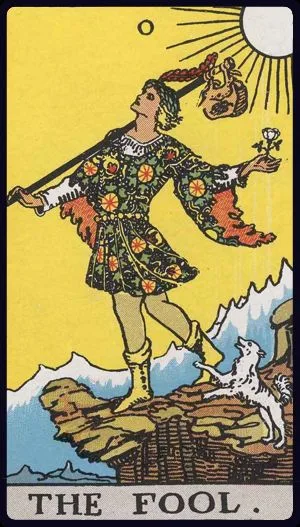
- I The Magician Willpower · Skill · Initiative · Resources You have everything the work requires: what’s left is to direct your will and start acting.
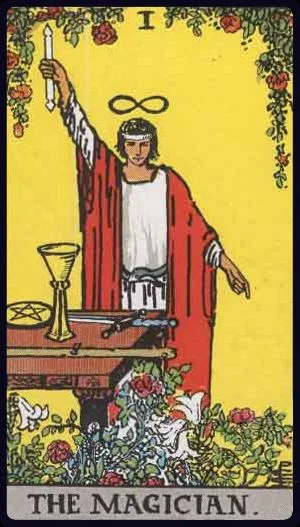
- II The High Priestess Intuition · Mystery · Silence · Knowledge Hidden knowledge, intuition, and a time to observe and not rush to conclusions.
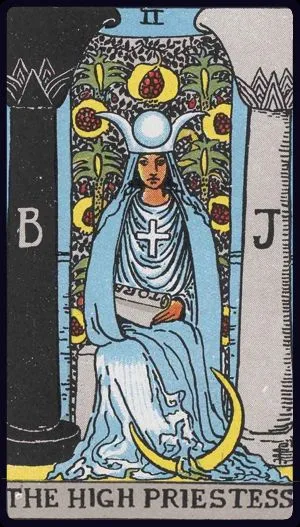
- III The Empress Abundance · Nurturing · Creativity · Nature Flourishing, care, creative growth, and a sense of plenty and enjoyment of life.
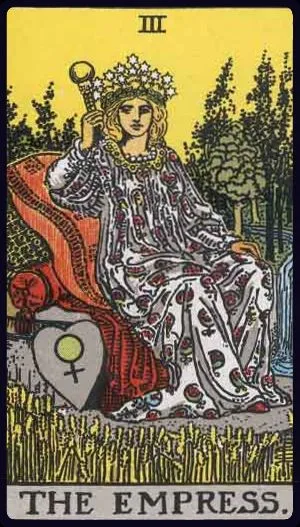
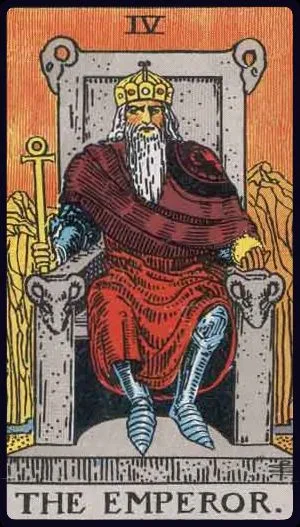
- IV The Emperor Order · Structure · Responsibility · Authority Structure, responsibility, a steady foundation, and the ability to manage yourself and the situation.
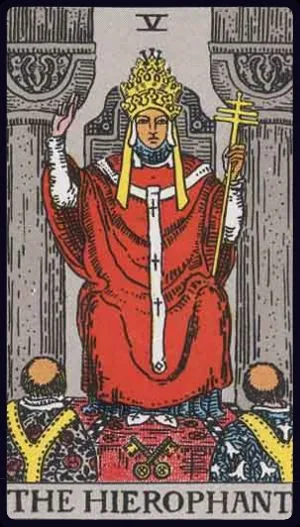
- V The Hierophant Tradition · Mentor · Rules · Learning Tradition, mentorship, tried-and-true methods, and shared values.
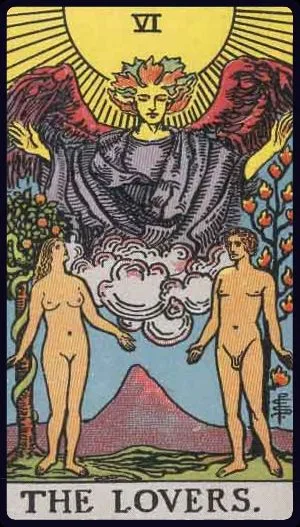
- VI The Lovers Choice · Love · Values · Union A conscious choice made from the heart, a union, and words and actions that match your values.
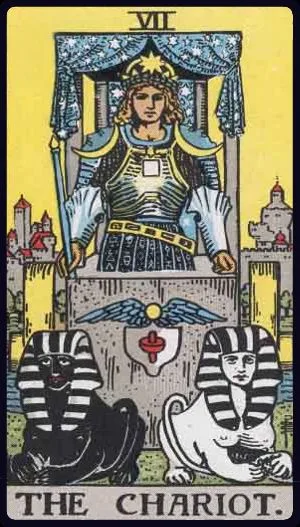
- VII The Chariot Victory · Willpower · Momentum · Control Victory over obstacles, movement toward a goal, self-discipline, and a clear direction.
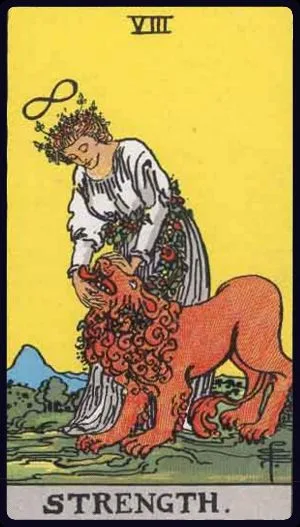
- VIII Strength Courage · Patience · Gentleness · Composure Inner strength, patience, and the ability to handle emotions gently, without force.
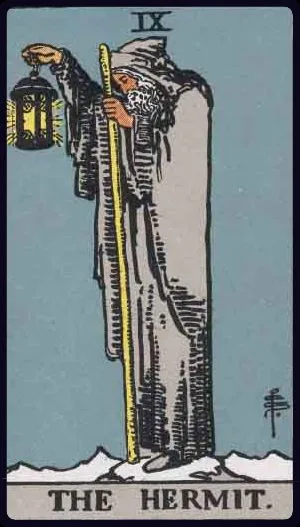
- IX The Hermit Solitude · Search · Wisdom · Pause A time to be alone with yourself, sort things out, and find an inner compass.
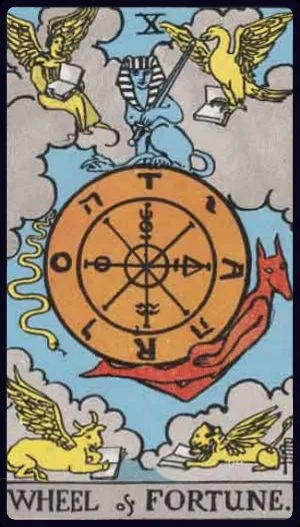
- X Wheel of Fortune Destiny · Cycles · Turning point · Luck A turn for the better, a lucky combination of circumstances, the start of a new cycle.
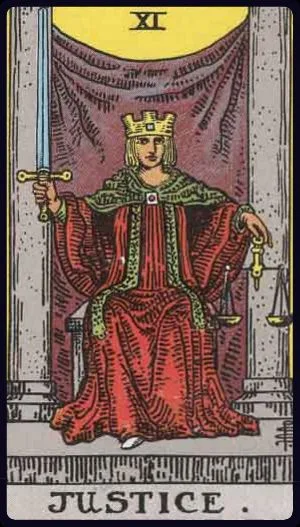
- XI Justice Balance · Honesty · Consequences · Decision An honest decision, clear facts, and a fair outcome of your past actions.
- XII The Hanged Man Pause · New perspective · Letting go · Sacrifice A forced or chosen pause, a change of viewpoint, giving up the extras for what matters most.
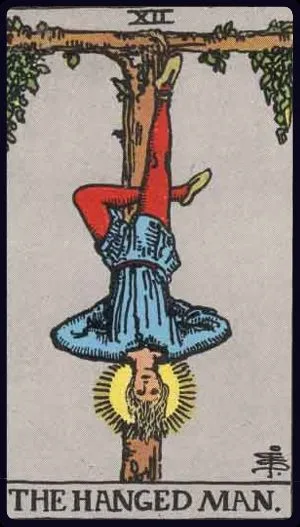
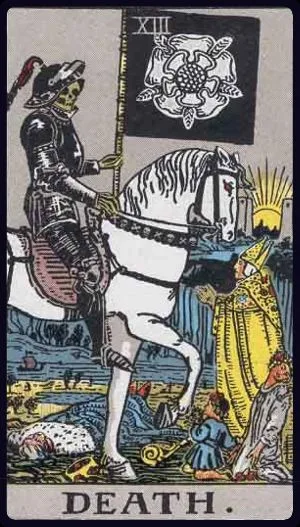
- XIII Death Endings · Transformation · Letting go · New beginning The end of a chapter, an irreversible change, room made for something new.
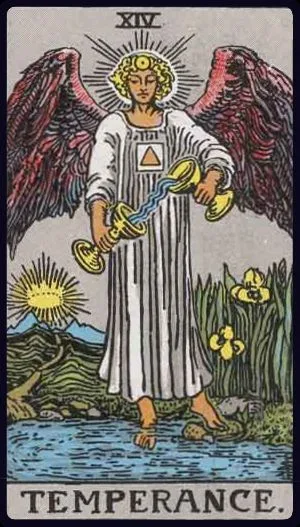
- XIV Temperance Balance · Patience · Harmony · Middle path Balance, a gentle blending of opposites, patience, and gradual recovery.
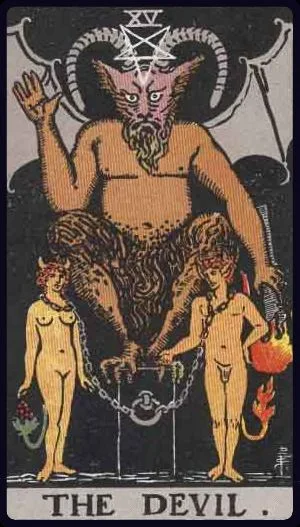
- XV The Devil Dependency · Attachment · Temptation · Freedom Dependency, temptation, and limits you’ve placed on yourself.
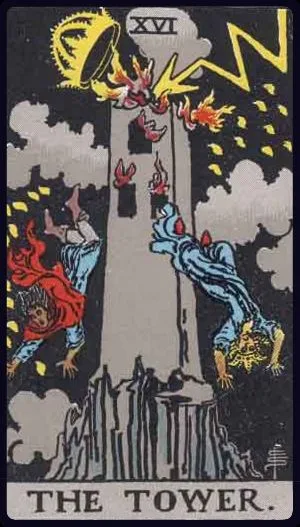
- XVI The Tower Upheaval · Revelation · Suddenness · Liberation A sudden collapse of illusions and old structures, an abrupt change.
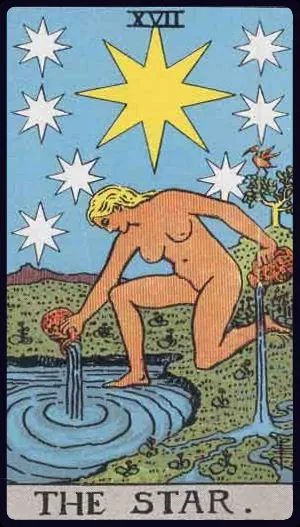
- XVII The Star Hope · Healing · Inspiration · Peace Hope, renewed strength, inspiration, and a quiet faith in the future.
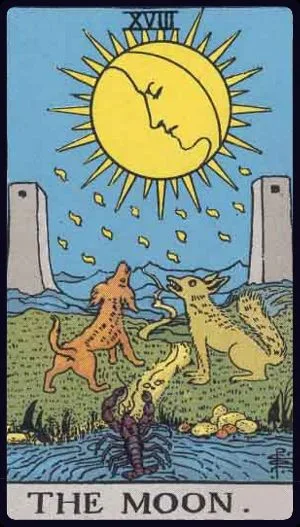
- XVIII The Moon Illusion · Intuition · Anxiety · Uncertainty Uncertainty, illusions, hidden fears; a time to trust your intuition and not rush to conclusions.
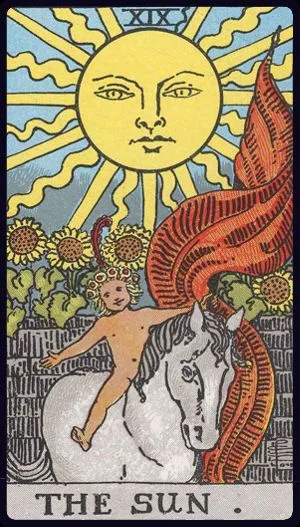
- XIX The Sun Joy · Success · Clarity · Vitality Joy, clarity, success, and the sense that life is on your side.
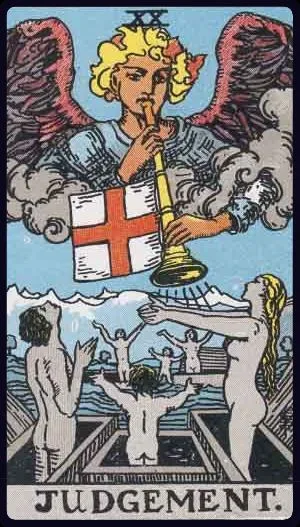
- XX Judgement Awakening · Reckoning · Forgiveness · Calling Awakening, an honest reckoning, forgiveness of the past, and a decision to begin anew.
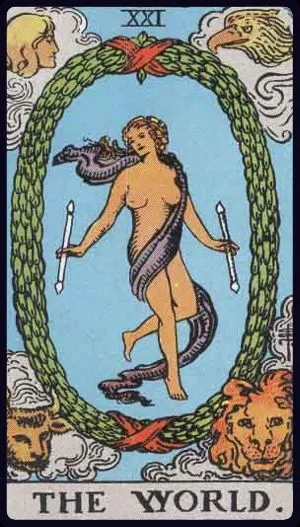
- XXI The World Completion · Wholeness · Success · Travel The completion of a big cycle, wholeness, success, and a sense that everything is in its place.
Wands tarot cards
Fire: action, desire, career, drive, and the energy of new beginnings.
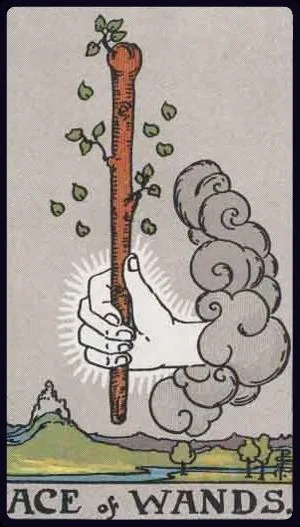
- A Ace of Wands Spark · New start · Energy · Idea · Inspiration A surge of energy, a new idea or project, a clear “I want this,” and a chance to begin.
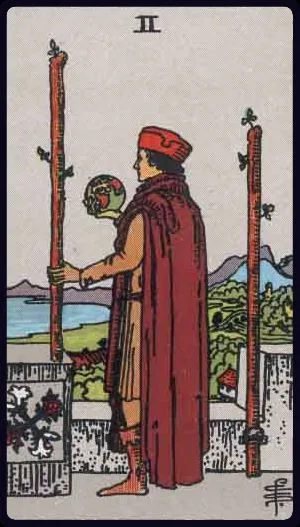
- 2 Two of Wands Choosing a path · Planning · Horizon · Decision Planning, looking ahead, choosing a direction, and readiness to step beyond familiar limits.
- 3 Three of Wands Waiting · Expansion · Distant ties · Outlook First results, expansion, news from afar, and a venture reaching a new level.
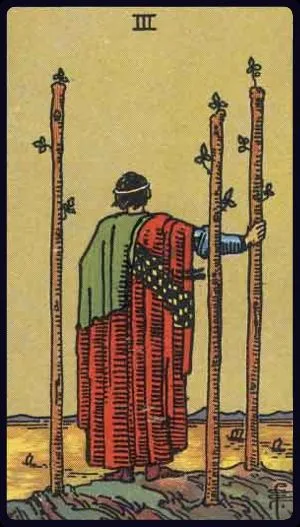
- 4 Four of Wands Celebration · Home · Stability · Joy · Wedding Celebration, well-earned joy, a solid home and stability after hard work.
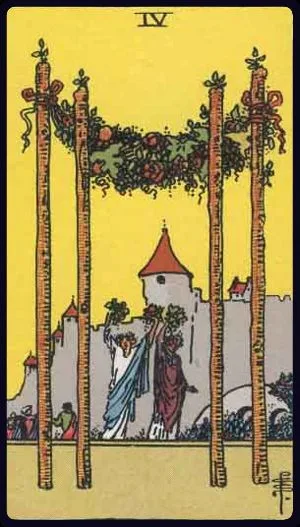
- 5 Five of Wands Rivalry · Disputes · Chaos · Competition Rivalry, a noisy clash of opinions, competition in which you can prove yourself.
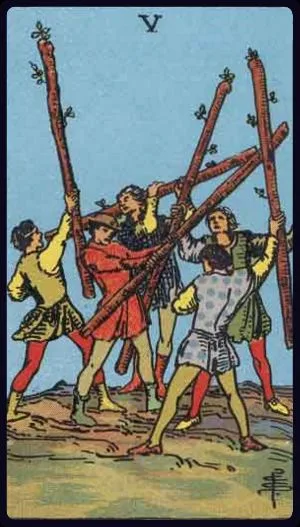
- 6 Six of Wands Victory · Recognition · Success · Pride Victory, public recognition, confidence after a good result.
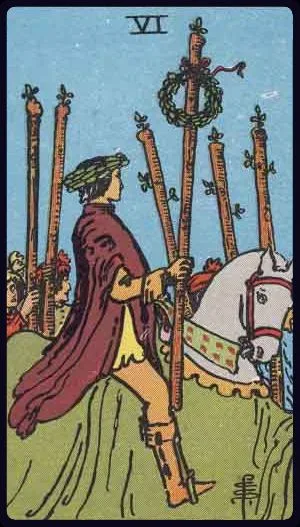
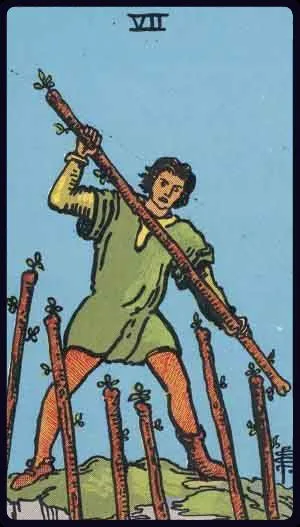
- 7 Seven of Wands Defense · Perseverance · Boundaries · Standing firm Standing your ground, perseverance, defending what you’ve achieved, confidence you’re in the right.
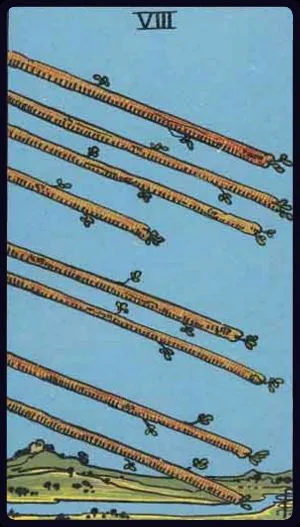
- 8 Eight of Wands Speed · News · Movement · Fast events Rapid developments, news, travel, quick replies.
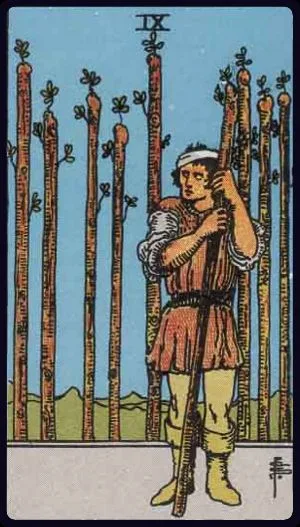
- 9 Nine of Wands Resilience · Weariness · Caution · Final push Resilience on the home stretch, weariness, but confidence that not much is left.
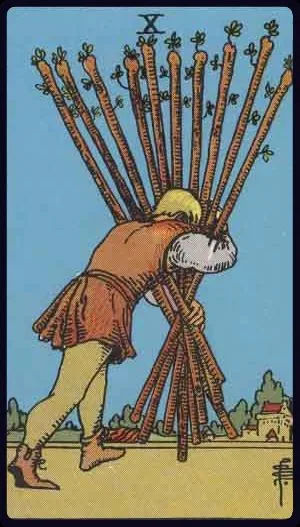
- 10 Ten of Wands Burden · Responsibility · Overload · Finish line A heavy load and responsibility that you carry to the end of the road.
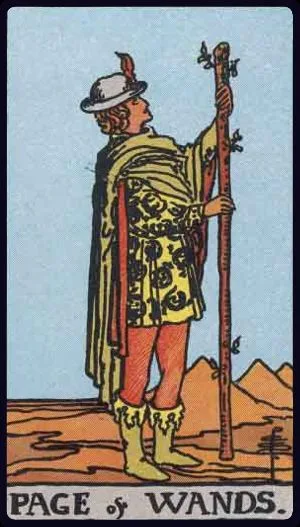
- P Page of Wands Curiosity · News · Enthusiasm · Student Curiosity, an inspiring message, youthful enthusiasm and a readiness to try things.
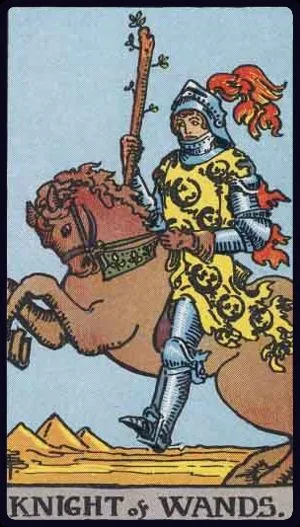
- Kn Knight of Wands Impulse · Thrill · Adventure · Passion · Speed Swift action, excitement, a trip or a romance that starts with a spark.
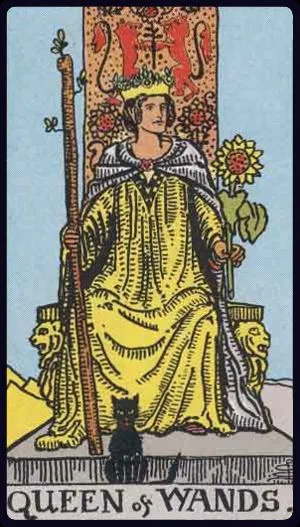
- Q Queen of Wands Charm · Confidence · Warmth · Charisma Confidence, charm, warm leadership and energy that’s enough to share with others.
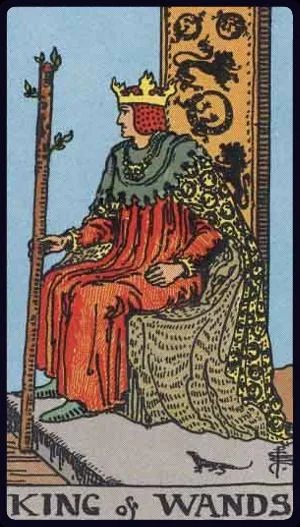
- K King of Wands Leader · Vision · Entrepreneur · Authority Leadership with vision, mature confidence, and the ability to lead people toward a big goal.
Cups tarot cards
Water: feelings, relationships, intuition, creativity, and closeness.
- A Ace of Cups New feeling · Openness · Generosity · Healing A feeling is born, an emotional lift, an open heart, an invitation to closeness.
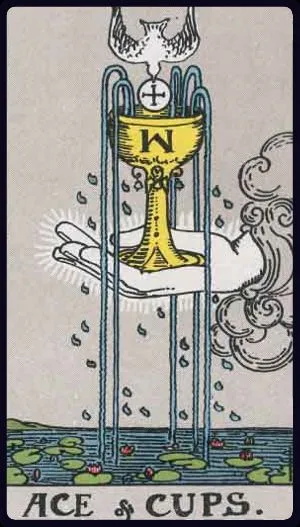
- 2 Two of Cups Union · Mutuality · Partnership · Dialogue Mutual attraction, a union of equals, agreement, an honest exchange.
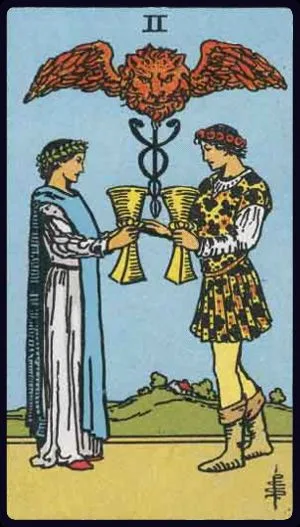
- 3 Three of Cups Celebration · Friendship · Joy · Harvest A celebration, time with loved ones, shared joy, the support of a circle of friends.
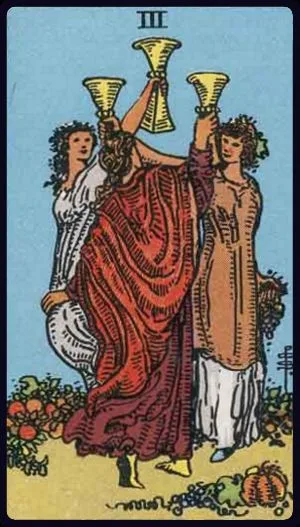
- 4 Four of Cups Apathy · Pause · Boredom · Reevaluation Apathy, an emotional pause, missing new opportunities, a time to reevaluate.
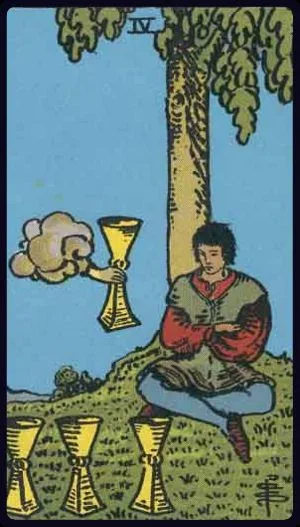
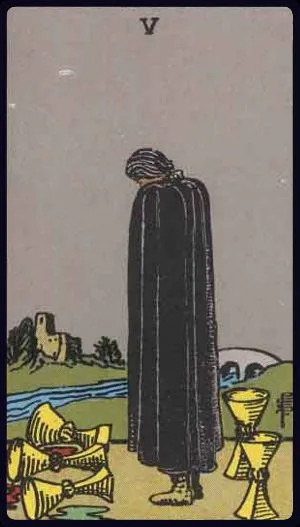
- 5 Five of Cups Loss · Regret · Grief · What remains Loss, regret, grieving, and two cups still standing that are easy to forget.
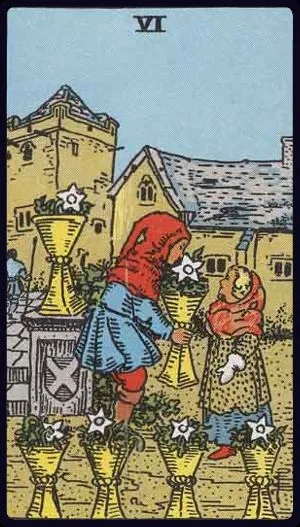
- 6 Six of Cups Nostalgia · Childhood · Kindness · Return Warm memories, a kind gesture, a meeting with the past, innocent affection.
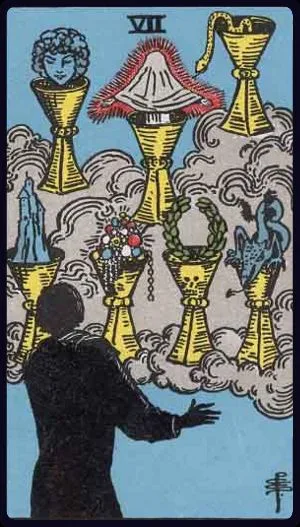
- 7 Seven of Cups Illusions · Daydreams · Choices · Fantasy Many options and fantasies, distraction, choosing without a grip on reality.
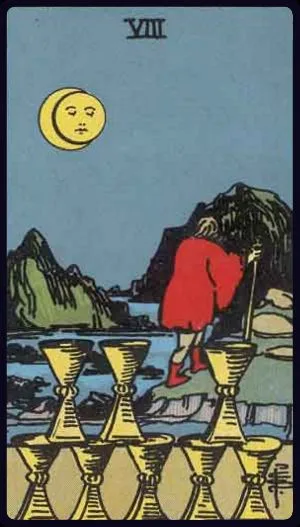
- 8 Eight of Cups Walking away · Search for meaning · Letting go · The journey A conscious departure from what no longer fulfills you, a search for deeper meaning.
- 9 Nine of Cups Wish · Pleasure · Abundance · Contentment Wishes fulfilled, contentment, comfort, well-earned pleasure.
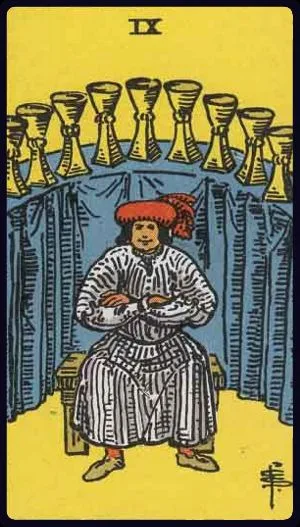
- 10 Ten of Cups Family · Harmony · Home · Fulfillment Family happiness, emotional fulfillment, a home where you’re welcome.
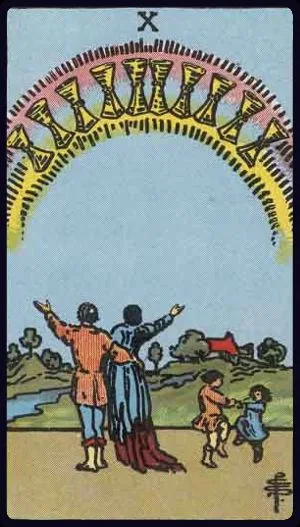
- P Page of Cups Confession · News · Intuition · Creativity A romantic message, youthful sensitivity, a creative impulse, an invitation.
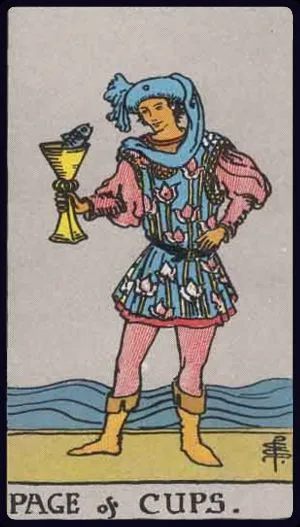
- Kn Knight of Cups Romance · An offer · Dreamer · Call of the heart A romantic offer, an invitation, an idealist acting on the call of the heart.
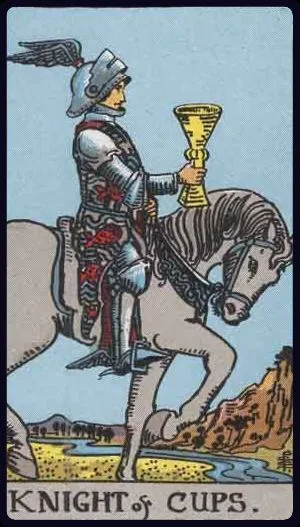
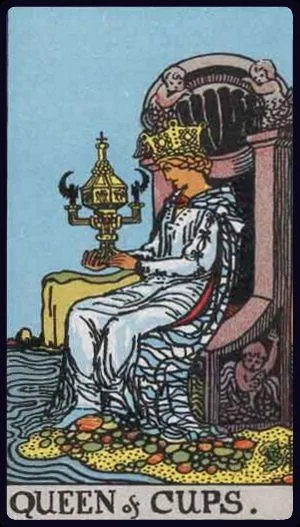
- Q Queen of Cups Empathy · Intuition · Care · Gentleness Empathy, intuition, care, mature emotion and the ability to listen.
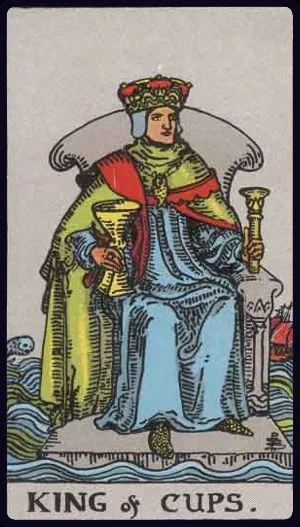
- K King of Cups Maturity · Diplomacy · Composure · Wisdom Emotional maturity, composure, wise support, diplomacy.
Swords tarot cards
Air: thoughts, words, decisions, conflict, and clarity.
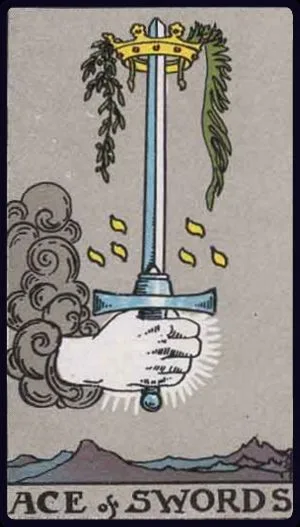
- A Ace of Swords Clarity · Truth · Decision · Breakthrough A clear thought, an honest word, a decision that makes everything fall into place.
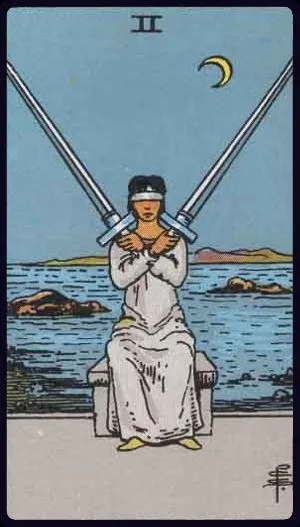
- 2 Two of Swords Choice · Stalemate · Truce · Defense A hard choice, a forced pause, a reluctance to face the truth.
- 3 Three of Swords Heartache · Truth · Separation · Healing Heartache, a bitter truth, a break you have to live through.
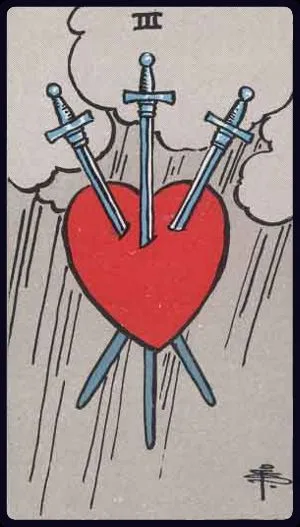
- 4 Four of Swords Rest · Pause · Stillness · Recovery A necessary pause, rest, time to be in stillness and regain your strength.
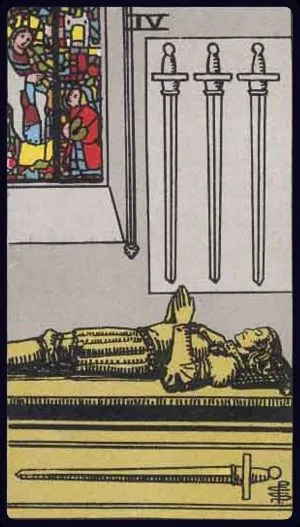
- 5 Five of Swords Conflict · Victory · Cost · Giving way A conflict where winning costs too much, an argument fought on someone else’s terms.
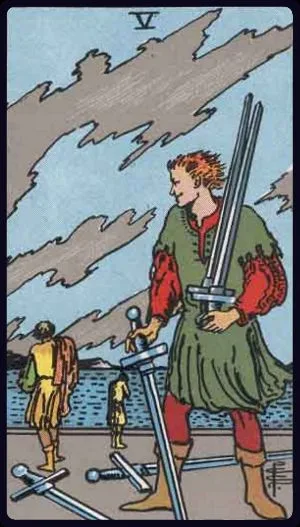
- 6 Six of Swords Transition · Departure · Relief · Journey A move from a hard period to a calmer one, a trip, leaving a problem behind.
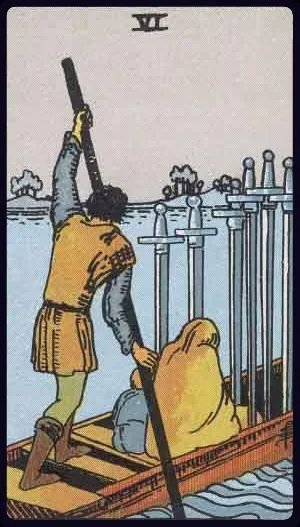
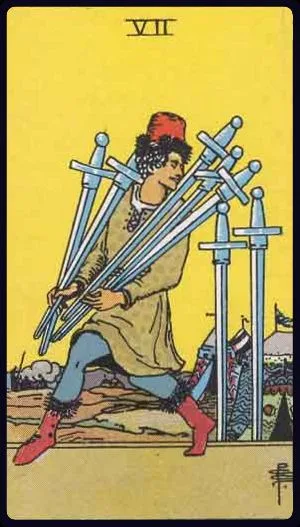
- 7 Seven of Swords Cunning · Secrecy · Strategy · Deception A workaround, secrecy, things left unsaid—yours or someone else’s.
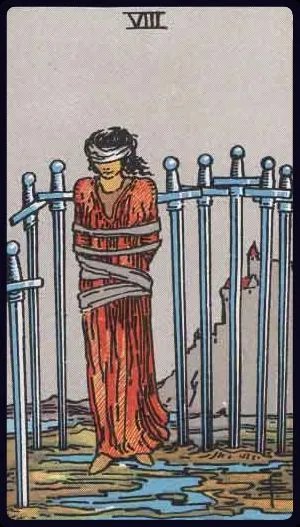
- 8 Eight of Swords Trapped · Fear · Limits · Way out A sense of deadlock and self-imposed limits; a way out exists, but you can’t see it yet.
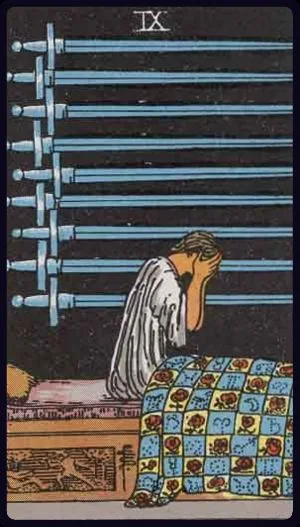
- 9 Nine of Swords Anxiety · Night thoughts · Guilt · Support Anxiety and night thoughts that feel scarier than the situation really is.
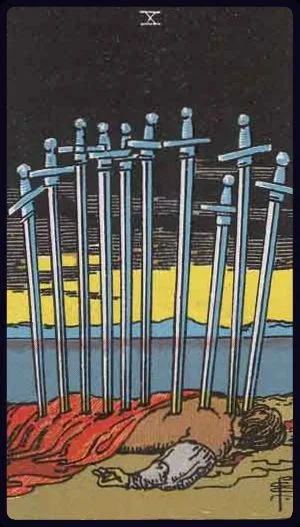
- 10 Ten of Swords End of a cycle · Dawn · Closure · Release The end of a painful chapter, after which there’s nothing left to fall; dawn lies ahead.
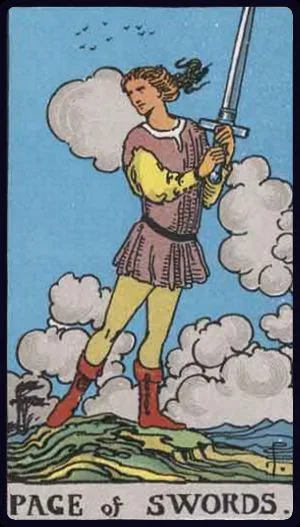
- P Page of Swords Curiosity · News · Observant · Sharp tongue Curiosity, new ideas, a conversation or news, the wish to get to the bottom of things.
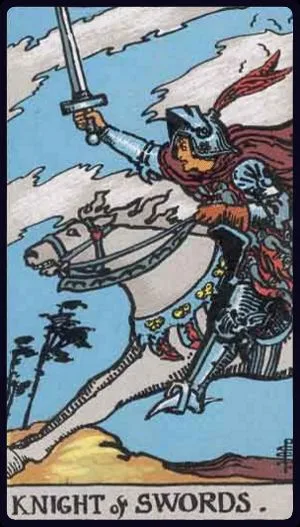
- Kn Knight of Swords Drive · Speed · Directness · Impulse Rapid action, quick decisions, directness and drive toward a goal.
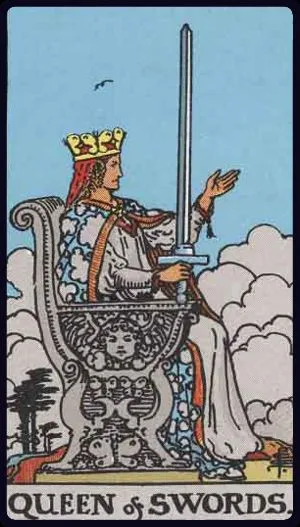
- Q Queen of Swords Clear mind · Honesty · Boundaries · Independence A sober view, honesty, independence and the ability to say “no.”
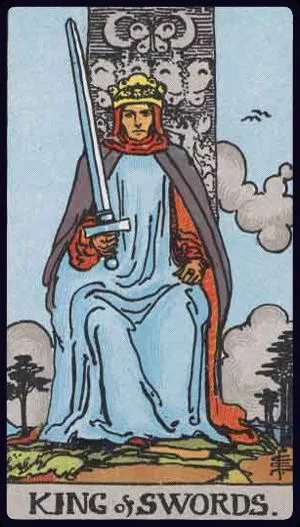
- K King of Swords Logic · Authority · Judgment · Fairness A cool head, expertise, a considered decision and accountability for your word.
Pentacles tarot cards
Earth: money, work, the body, home, and whatever is built over years.
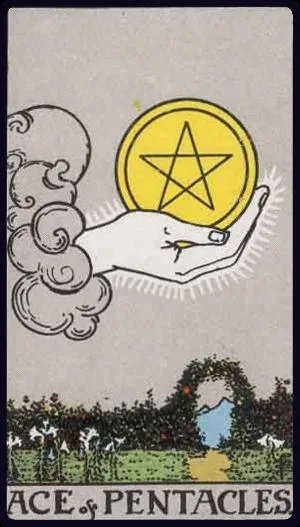
- A Ace of Pentacles New beginning · Opportunity · Foundation · Seed A real opportunity you can take in your hands: a new job, a source of income, a solid beginning.
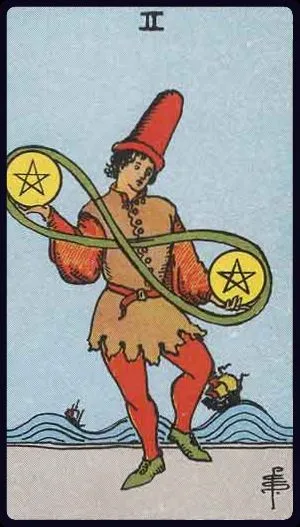
- 2 Two of Pentacles Balance · Flexibility · Juggling · Priorities The ability to keep several tasks in balance, flexibility, a light touch with change.
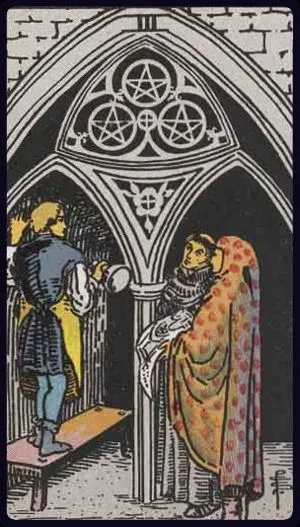
- 3 Three of Pentacles Craftsmanship · Teamwork · Recognition · Quality Working together, recognition of skill, a result that has real expertise built into it.
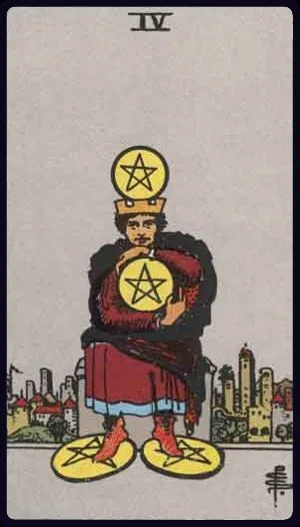
- 4 Four of Pentacles Control · Saving · Boundaries · Holding on A wish to keep and protect what is yours, financial caution, a tendency toward control and reserve.
- 5 Five of Pentacles Hardship · Scarcity · Support · Isolation A period of lack: of money, warmth or confidence. The feeling of being left outside the circle, and the chance to ask for help.
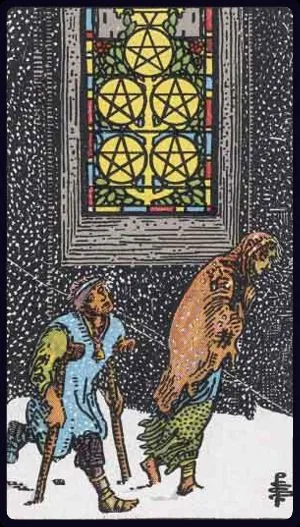
- 6 Six of Pentacles Generosity · Exchange · Help · Fairness Mutual support, fair exchange, generosity without humiliation; help that can be given or received.
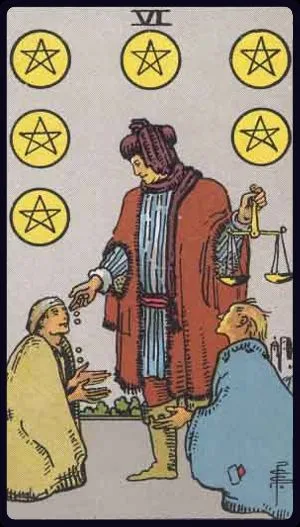
- 7 Seven of Pentacles Patience · Assessment · Pause · Harvest A pause midway: time to assess what you have grown and decide whether to continue; patient waiting for the fruits.
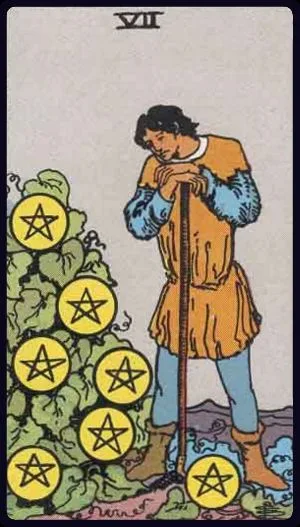
- 8 Eight of Pentacles Craft · Hard work · Learning · Diligence Steady effort, honing a skill, learning, calm focus on the work.
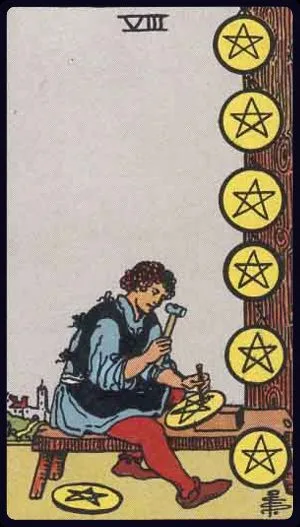
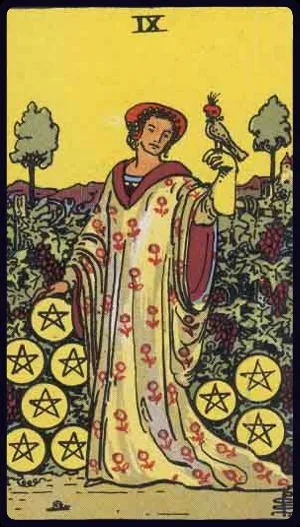
- 9 Nine of Pentacles Independence · Comfort · Self-worth · Fruits of labor Self-reliance, earned abundance and calm, the ability to value yourself and your time.
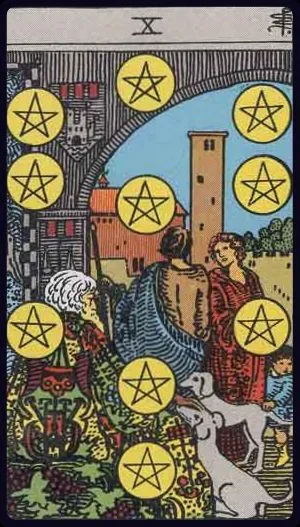
- 10 Ten of Pentacles Family · Legacy · Stability · Tradition A solid foundation, family well-being, continuity between generations, long-term stability.
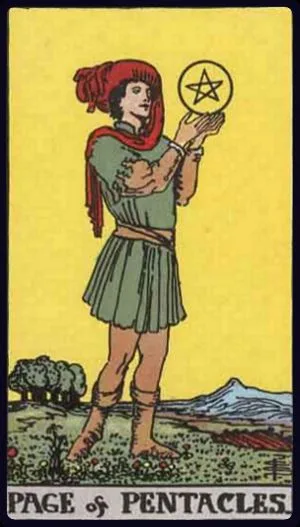
- P Page of Pentacles Study · Curiosity · Attention · Planning A student and a messenger: news about work or study, careful attention to the task, the first real steps.
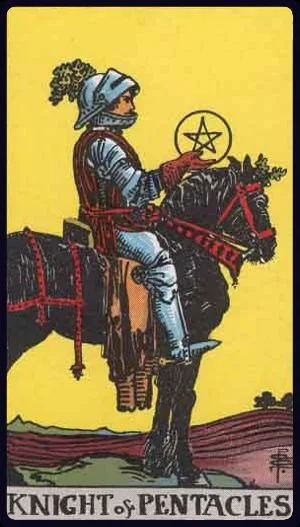
- Kn Knight of Pentacles Reliability · Method · Patience · Responsibility Unhurried, persistent progress toward a goal; a dependable person who sees things through.
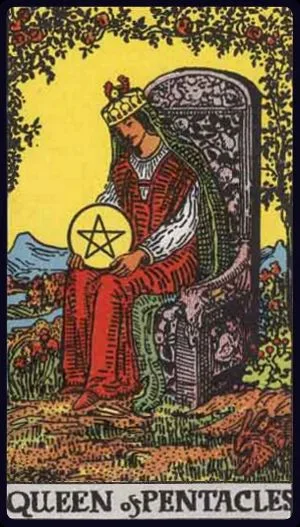
- Q Queen of Pentacles Nurturing · Comfort · Practicality · Generosity Warm, practical care; the knack for creating comfort and running a home, a business and a budget.
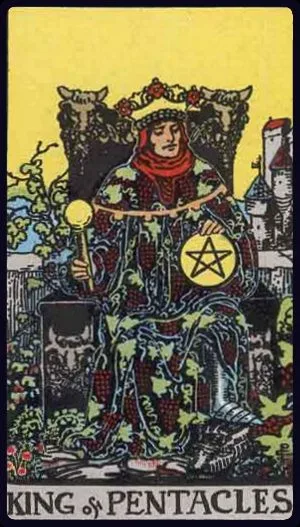
- K King of Pentacles Stability · Responsibility · Mastery · Abundance A mature, dependable person or state: the ability to manage resources and provide a foundation.
Tarot card questions
How many cards are in a Rider–Waite tarot deck?
The deck has 78 cards: 22 Major Arcana (from The Fool to The World) and 56 Minor Arcana, split into four suits: Wands, Cups, Swords, and Pentacles. Each suit has 14 cards: the Ace, the numbers two through ten, and four court cards.
What is the difference between the Major and Minor Arcana?
The Major Arcana describe big themes and turning points: choices, change, crises, and outcomes. The Minor Arcana cover everyday events and moods: conversations, money, emotions, and work tasks. When a spread has many Major Arcana, the situation is usually more significant than it looks.
Do I need to read reversed tarot cards?
That depends on your practice. A reversed card is usually read as a delay, an inner process, or blocked energy rather than a “bad” version of the card. Every card in this guide has its own reversed section, and you can also leave reversals out of your spreads entirely; both approaches work.
What is the fastest way to learn tarot card meanings?
Don’t memorize lists. Look at the picture first and say what is happening in it, then check the keywords. Drawing a card of the day works well: one card each morning and a short note in the evening about what actually showed up.
Should I take a tarot card meaning as a prediction?
Tarot is a way to look at a situation from another angle and ask yourself better questions, not an exact forecast. The meanings here are traditional and cautious, and they are no substitute for advice from a doctor, lawyer, or financial professional.
How do I read tarot card combinations?
Cards are read together: a neighboring card refines the tone and theme. Each card page has a “Combinations” block with common pairings, which are a handy starting point when you interpret a spread.
Find out which cards come up for you
Ask about love, work, or money. Oracul draws cards from the full Rider–Waite deck and explains the spread with your question in mind.