General meaning
The Five of Swords shows an argument where someone has “won,” yet the question remains what it’s like to live with that win. You might be the one who got your way, the one who gave in and walked off, or an onlooker who sees both. The card asks you to look at the outcome honestly: what you gained, and what you lost along the way.
It often appears when no one in the quarrel is listening anymore: both sides want to win rather than solve the problem. The Five warns that such a win tends to leave emptiness behind. The people you’ve hurt may not come back, and the aftertaste can last a long time.
There’s a helpful reading as well. Sometimes it’s wise to stop a pointless fight and walk away, even though it looks like defeat. If the dispute is over a principle that doesn’t matter to you, an honest “let’s drop it” is worth more than a nice-looking victory.
What’s pictured on Five of Swords
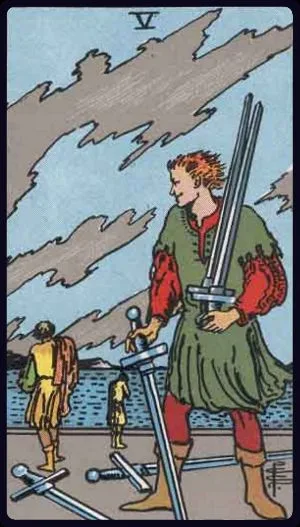
In the foreground stands a man with a smug grin, resting two swords on his shoulder and holding a third with its point to the ground. Two more swords lie on the grass: he has gathered up the weapons the others dropped. There’s no generosity in his stance, only triumph.
In the distance, two figures walk off toward the sea with drooping shoulders: they’re beaten, wounded in their pride, and don’t look back. The sky is ragged, grey-yellow, the clouds racing—exactly the weather in which it’s best not to sort out a relationship. The winner’s clothes are red-orange, the losers’ blue and brown: the colors of anger against the colors of sorrow. The picture asks whether it was worth three swords.
Five of Swords in love and relationships
In a couple, it means drawn-out quarrels where each person wants to be right. Sometimes one partner pushes and “wins” while the other quietly drifts away. Such a victory often turns into cooling off, so the card suggests asking yourself: what do I want—to be right, or to be together?
If your question is about a new relationship, the Five of Swords can point to rivalry, a third person or manipulation. Be careful with people who like to “win” arguments so that you end up feeling guilty.
The quarrel is dying down: you’re tired of fighting and ready for dialogue. Reconciliation is possible, with apologies that both sides need to make. But sometimes the reversed card says the hurt remains and you’re waiting for a chance to get even. That’s poor fuel for any relationship.
What your partner feels
The person feels irritated and wants to defend their position. They may feel stung, or be trying to settle an old score. The card says little about warm feelings: right now there’s more pride in them than tenderness.
If this person is your partner and the argument is behind you, pay attention to how they behave after a quarrel. If they can cool down and be the first to reach out, the chances of keeping the relationship are good. If they “cross you out” after every argument, it’s worth thinking about.
Career and money
Conflicts within the team, a fight for a position, other people’s intrigues, or your own urge to prove a point at any cost. Such wins are expensive: they cost reputation, relationships, energy. Before entering a dispute, think about what you’ll gain and what you’ll lose. With money, there’s a risk of an unfavorable deal or dubious terms, where one side’s gain comes at the other’s expense.
The conflict calms down or calls for reconciliation. A compromise, an agreement, or leaving a toxic environment are all possible. But the reversed card can also warn of a hidden struggle, when there are no open quarrels but behind-the-scenes maneuvering goes on.
Health and well-being
The Five of Swords is linked to the tension that builds after conflicts: constant readiness to defend keeps the body wound up, and sleep becomes shallow. It helps to give yourself a physical outlet—a walk, exercise, relaxation practice.
It’s also worth asking how much energy goes into arguments that aren’t worth your attention. This is not medical advice: if irritability and insomnia last a long time, please see a doctor or another specialist.
Tarot is a tool for reflection, not a diagnosis or medical, financial, or legal advice. If you have health concerns, please see a doctor.
Yes or no?
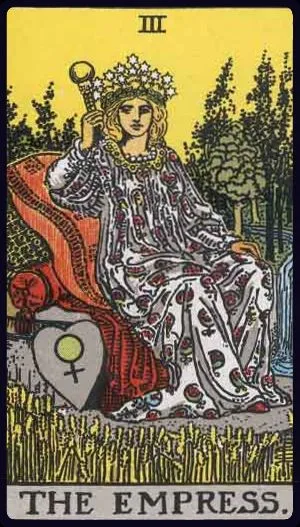
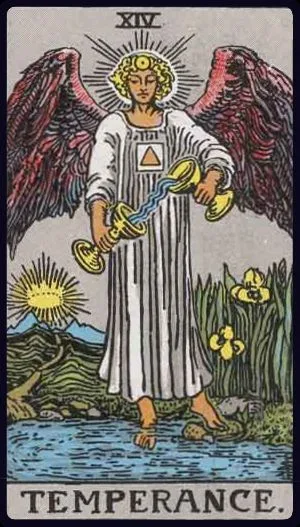
An example Situation · Obstacle · Advice spread: The Empress shows a wish to care for loved ones, the Five of Swords the quarrels that get in the way, and Temperance advises looking for balance and speaking more gently.
Five of Swords as advice and card of the day
Before you carry on with the argument, ask yourself three questions: what do I actually need, what does the other person need, and can I get it without winning? Sometimes it’s enough to say “I hear you” instead of “you’re wrong.”
If the conflict has dragged on and neither side is listening, ask a mediator to help or take a pause. And if you’ve already “won,” consider whether it’s time to take a step toward the one who lost.
Five of Swords as your card of the day
An argument or clash of opinions is possible: in a queue, at work, in a family group chat. Don’t walk into a conversation to “put someone in their place.” Choose what’s worth fighting for and what you can let go. In the evening, consider which arguments gave you something valuable and which only took your energy.
Combinations with other cards
-
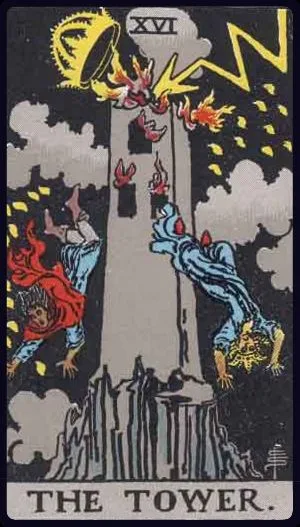 The conflict reaches its limit and destroys what was held together by things left unsaid.
 -
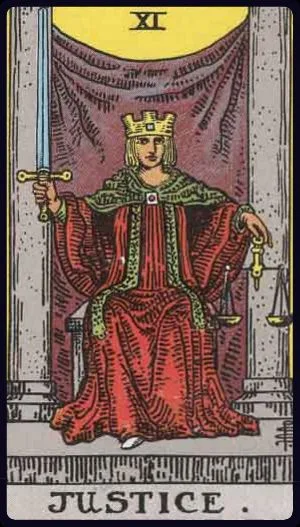 + JusticeThe dispute moves to the level of facts and consequences, and the win won’t be accidental.
 -
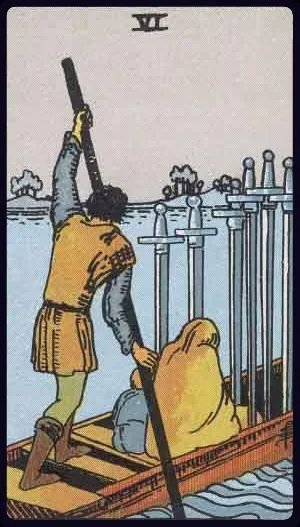 You decide to walk away from the quarrel and find a calmer place.
 -
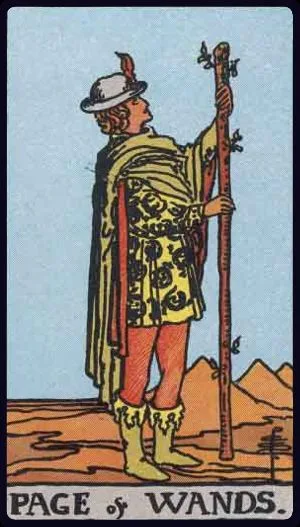 Youthful zeal turns the conversation into a contest.
 -
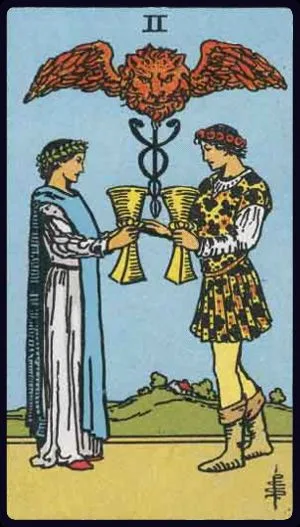 A couple learns to make up and listen to each other after a fight.
 -
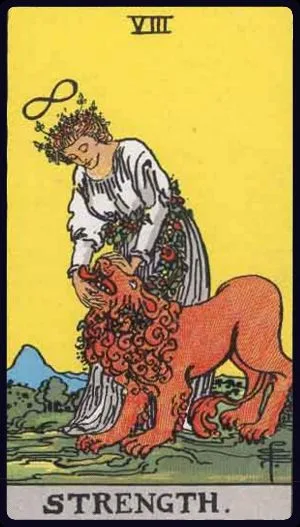 + StrengthInner strength helps you get through the conflict without aggression.
Five of Swords reversed
Reversed, the conflict either fades or goes underground. You may reach a point of exhaustion with the fight and want peace: to apologize, to agree, to take a step toward the other person. That is the mature energy of the card.
But sometimes everything looks calm outwardly while resentment builds inside and you look for an excuse to bring the subject back up. Then the card suggests talking about what’s been left unsaid instead of storing it up for years. Otherwise the old argument will surface at the worst possible moment.
Questions about this card
What does the Five of Swords mean in a relationship?
Quarrels and a fight to be right that hurt the feelings involved. The card suggests stopping to decide what matters more: winning or closeness.
What does a man feel when the Five of Swords comes up?
Irritation and a wish to defend his position, sometimes hurt. There’s less warmth here than pride, so it’s best to cool the conflict down first.
Is the Five of Swords a yes or a no?
It leans toward “no” or “yes, but at a cost.” A result is possible, but at the price of the relationship or your peace of mind.
What does the Five of Swords reversed mean?
Reconciliation and weariness with the argument, or a hidden grudge waiting for its moment. It helps to talk before the situation gets worse.
What should I do if the Five of Swords shows up about work?
Stay out of intrigue and don’t try to prove your point at any cost. Pick what really matters to you, and defend only that.